Beyond the Shirt
Football’s Multi-Million Pound Pivot to the ‘FanZone’ Economy
by Neerav Shah
Industry Principal, Digital, TMEGS,
Presidio
As the Premier League’s gambling sponsorship ban looms, clubs are abandoning passive logo exposure for a data-driven, interactive digital ecosystem.
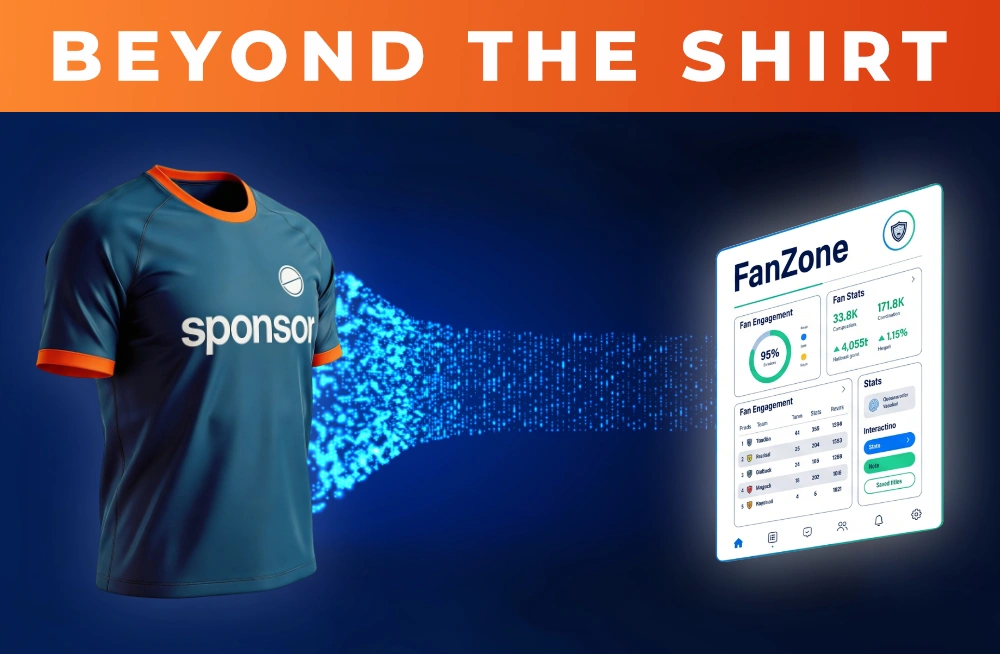
There was a time when the most valuable real estate in global sports sat quietly on the chest of a football player. A single logo, broadcast to millions week after week, turned simple visibility into immense commercial value. For decades, the front-of-shirt sponsor was powerful, predictable, and entirely passive.
But in the United Kingdom, that golden era is rapidly drawing to a close. As the Premier League marches toward its 2026/27 front-of-shirt gambling ban, the sports business industry is confronting a crisis. Yet, insiders argue the immediate question – who replaces the sponsor? Which is far too narrow. The existential question is: What replaces the model?
The Moment the Model Broke
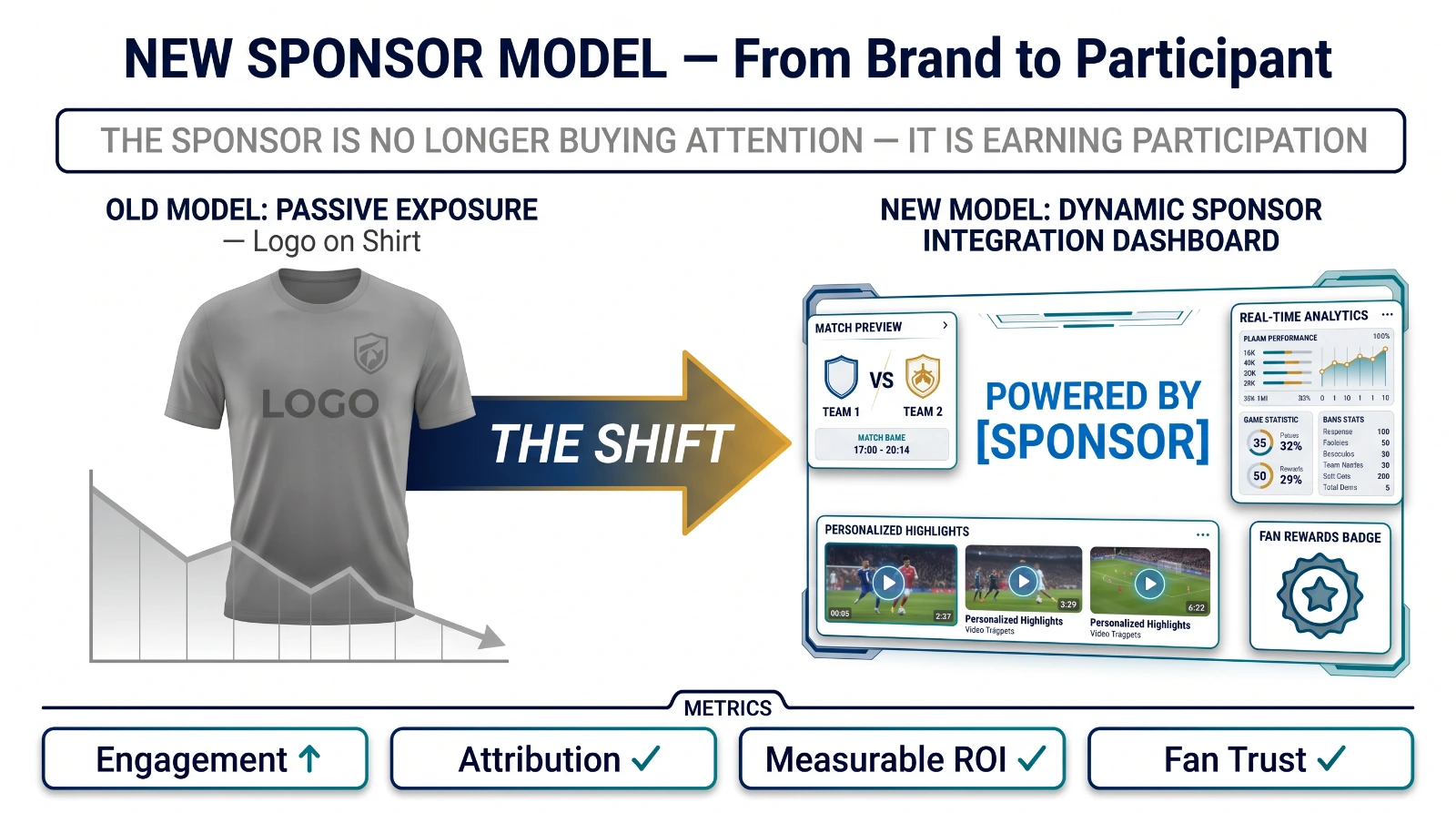
The paradigm shift did not begin in the halls of regulators; it began in the hands of the fans. Today’s supporter no longer experiences a football match as a single, continuous 90-minute broadcast. The match is merely the anchor of a much broader, fragmented journey.
Modern fans check lineups on their commute, scroll social feeds for pre-match narratives, and watch the live game while simultaneously tracking stats, clips, and commentary on a second screen. Within minutes of the final whistle, they are consuming tailored highlights. In this hyperactive digital world, a static logo on a shirt struggles to justify its premium price tag.
Simultaneously, the brands writing the checks have evolved. Awareness is no longer the finish line; it is merely the starting block. Modern sponsors demand engagement, attribution, and measurable return on investment. They need to know who acted on their message and why. The traditional front-of-shirt model simply cannot answer those questions.
A Different Matchday
To understand the future of sports commerce, one must look at the matchday experience as it is becoming, rather than as it was. Imagine a supporter on a Saturday afternoon. Their journey doesn’t begin with the television broadcaster; it begins directly with the club’s digital ecosystem.
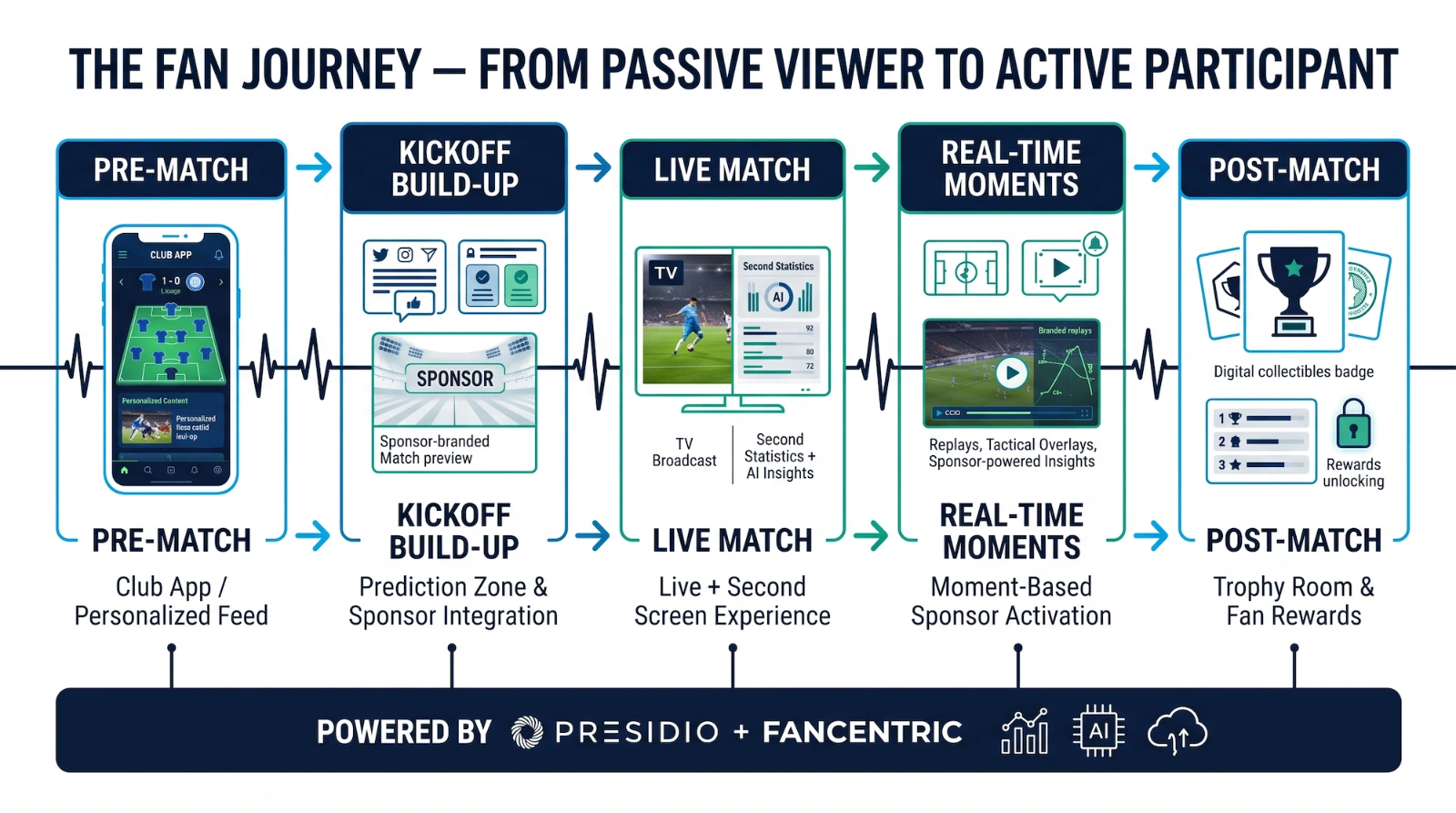
Opening the club app, fans are greeted with curated narratives, predictions, and storylines shaped by their unique preferences.
As kickoff approaches, the second screen becomes vital. Real-time stats update, alternate camera angles unlock, and key moments are flagged instantly. When a controversial decision or a spectacular goal occurs, the fan is offered a deeper dive: a predictive model or a multi-angle replay. Each of these micro-moments represents an opportunity for a brand to integrate seamlessly. A partner enables the insight; a sponsor unlocks the experience.
“In this new model, the sponsor is no longer buying attention. It is earning participation.”
James Murphy
CEO Fancentric
The Emergence of the FanZone
Beneath this seamless user experience lies a highly structured digital architecture known as the “FanZone.” This is not merely a new app feature; it is a comprehensive digital layer that surrounds and extends the live match, blending content, interaction, social engagement, and commerce.
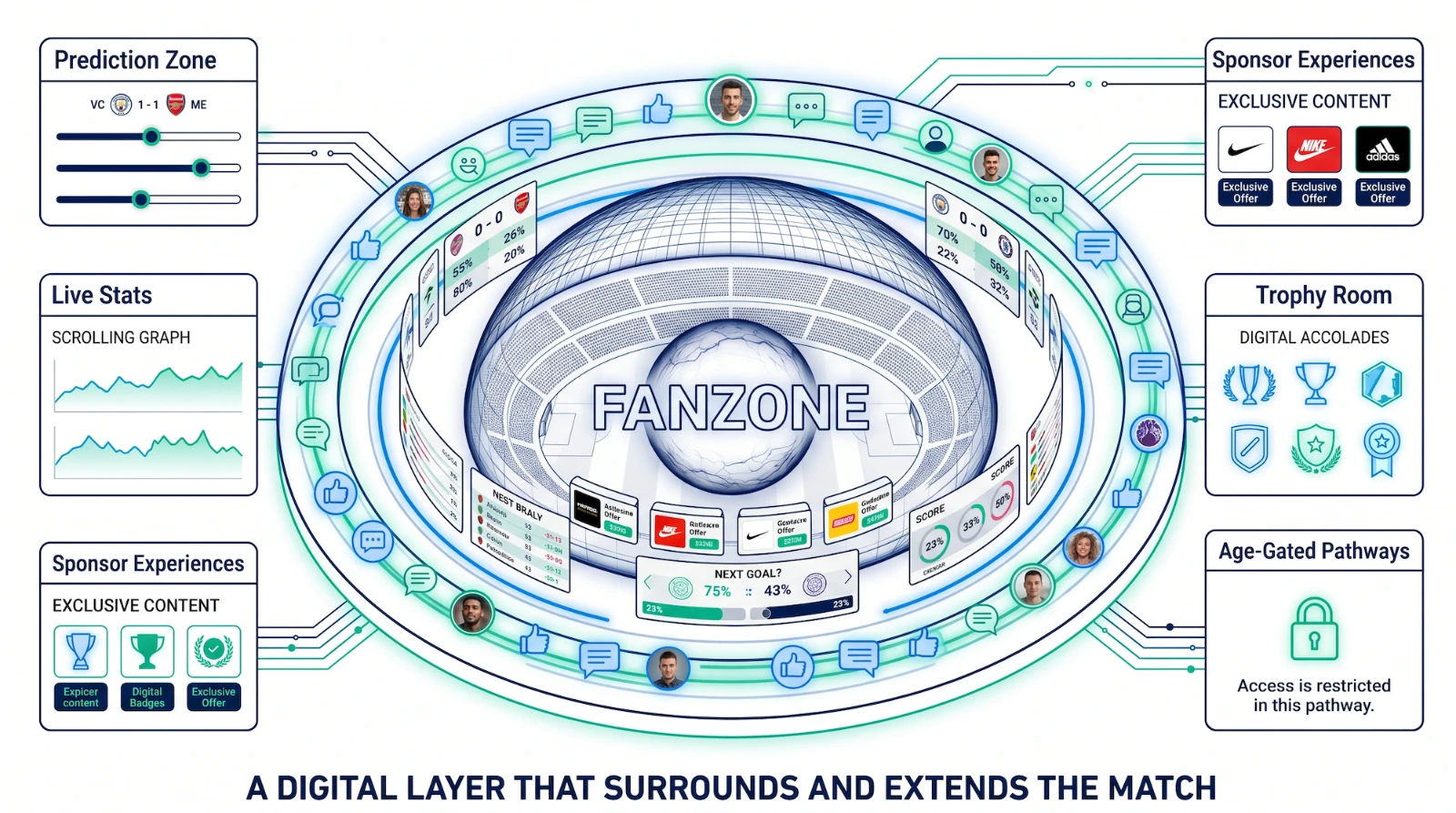
This is not a loophole to bypass the gambling ban; it is a sophisticated pathway from engagement to conversion, built entirely on trust, compliance, and first-party data.
The Trophy Room
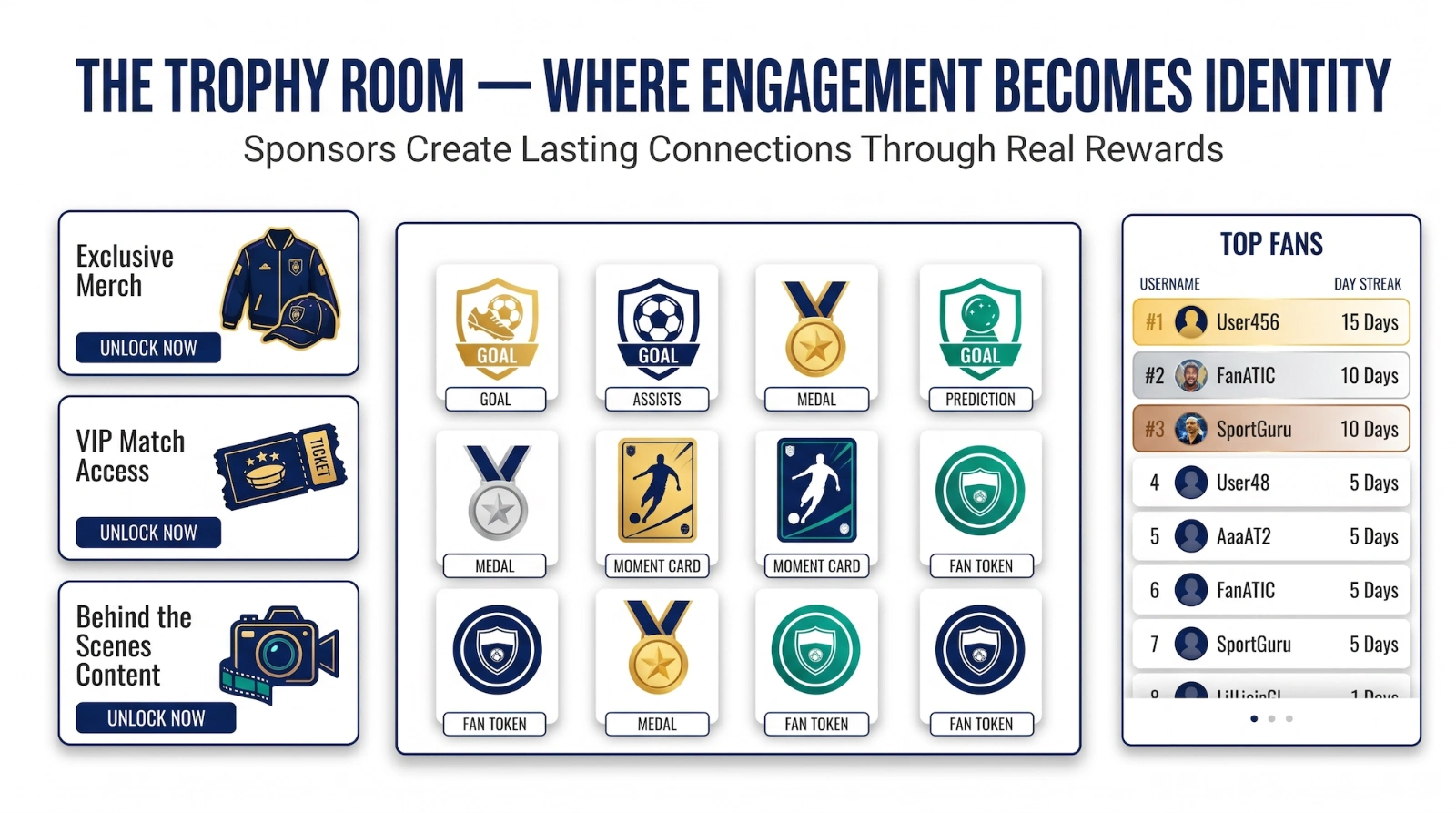
Post-match, the journey continues. Fans return to the ecosystem to review their predictions and collect rewards. This space, dubbed the “Trophy Room,” allows fans to accumulate digital collectible badges and achievements. Over time, this digital clout translates into real-world value: exclusive merchandise, VIP experiences, and unprecedented access.
The Hidden Complexity
However, this digital utopia introduces a staggering level of operational complexity. Content must be generated in real-time. AI systems must instantly tag and distribute match moments. Fan identities must be unified across mobile, social, and broadcast platforms, all while dynamically enforcing strict compliance and age-gating regulations.
This is not a single software solution; it is a massive, interconnected ecosystem. Without flawless integration, the illusion breaks.
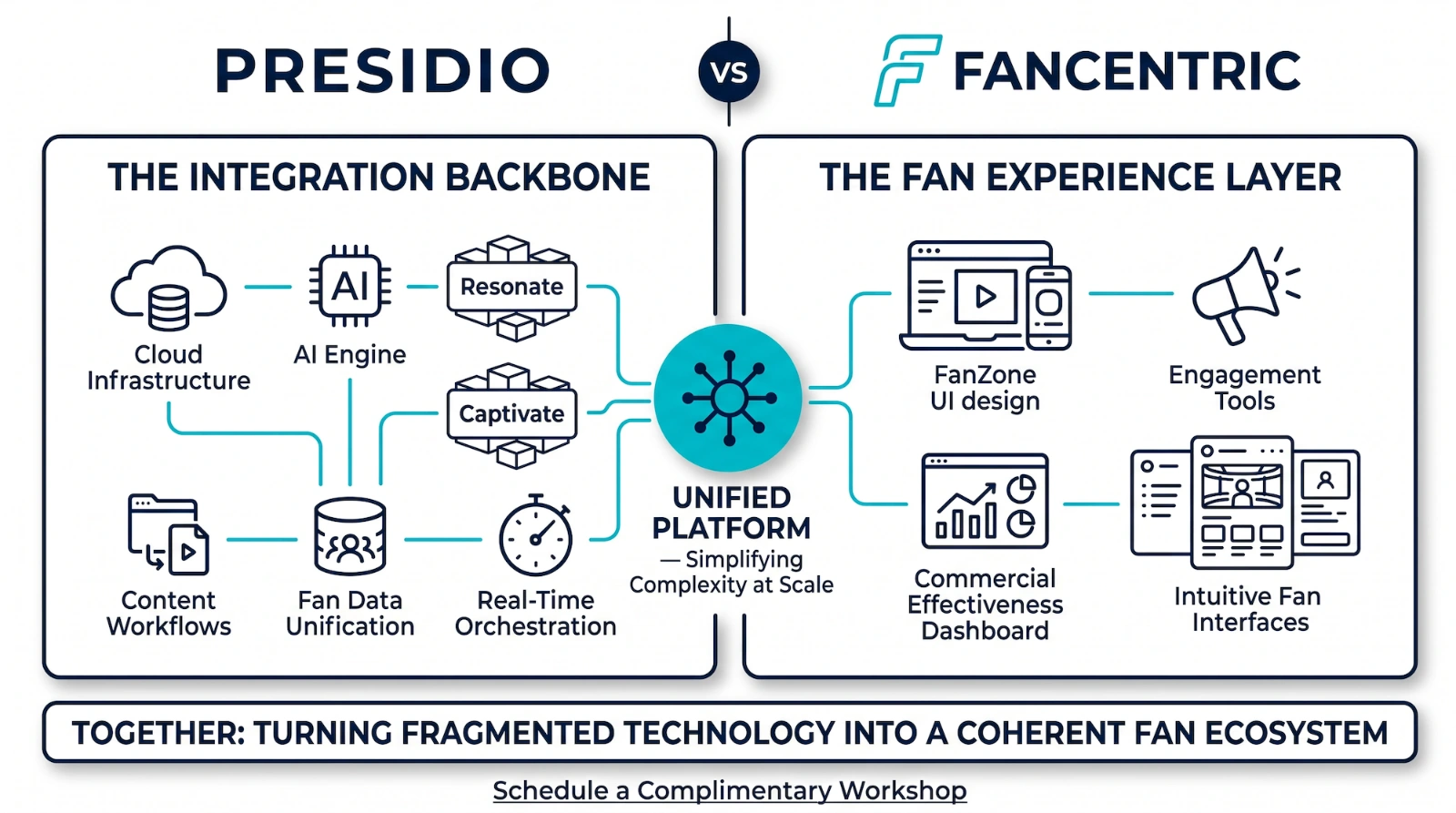
Together, they reduce the immense operational burden on clubs, turning a fragmented set of technologies into a coherent, scalable system.
A Global Blueprint
While the UK’s front-of-shirt gambling ban is the immediate catalyst, the implications are global. Across Europe and beyond, regulation, shifting fan behavior, and evolving sponsor expectations are converging. The transition toward data-rich, engagement-driven ecosystems is no longer optional; it is inevitable.
The shirt sponsor was powerful because of its simplicity. The future will not be simple. It will be dynamic, highly personalised, and rigorously measurable. For football clubs navigating this transition, the ultimate goal is no longer finding a new logo to print on a shirt. It is building a digital ecosystem so engaging and profitable that the logo is no longer needed.
Industry Call to Action
For clubs and leagues navigating this commercial transition, the challenge lies in executing these ideas at scale. Technology partners like Presidio and FanCentric are currently offering complimentary workshops to help sports organisations design the next generation of fan engagement, moving beyond mere visibility and into measurable experience. Fill in the form below and one of our specialists will contact you to learn more: